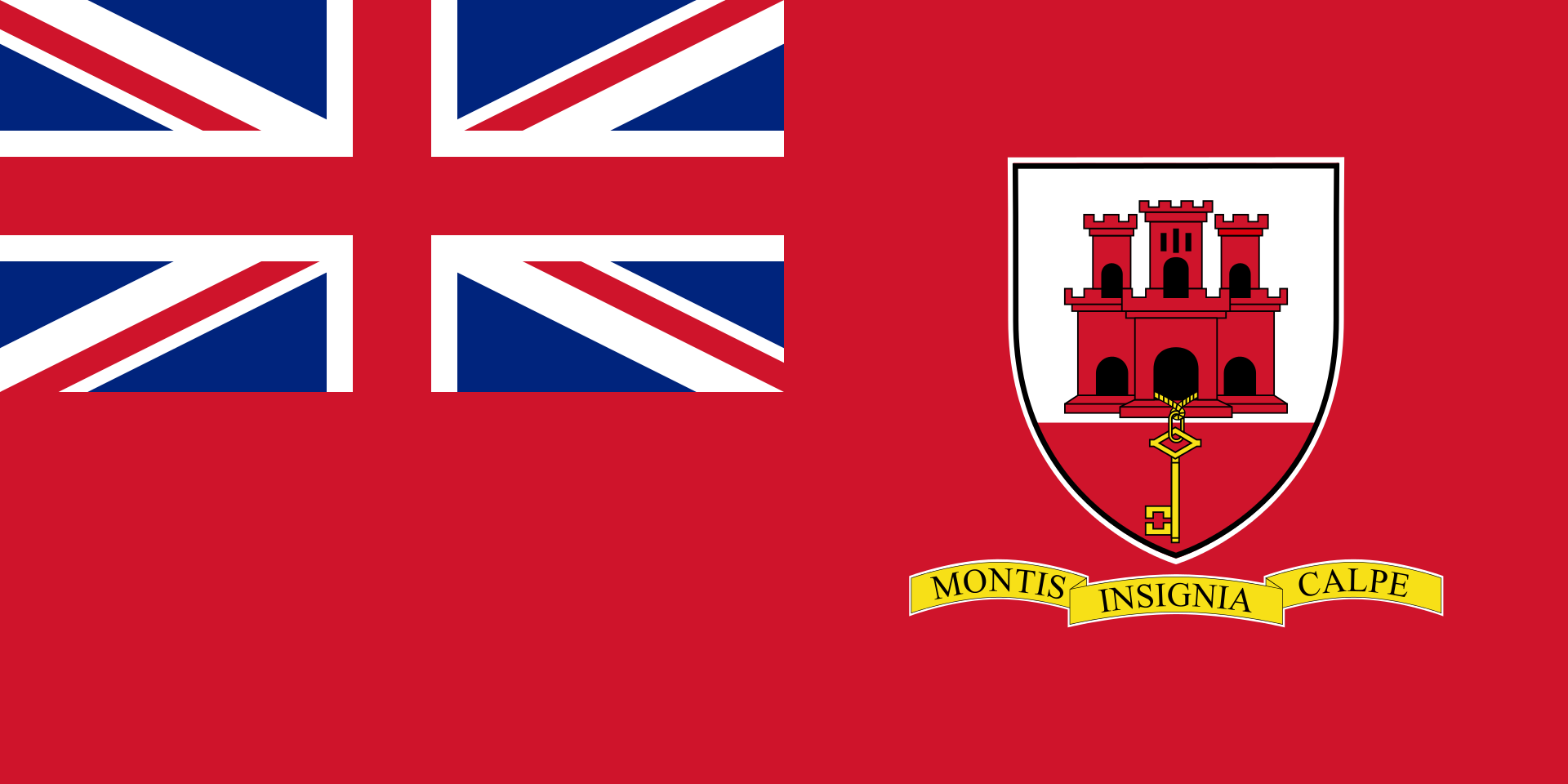
The Labour government has negotiated a draft treaty with the EU and Spain that has triggered a major political controversy over sovereignty, border control, and the role of Spanish officers in Gibraltar.
The key point across all sources is this (Source by CoPilot AI).
- A treaty draft exists, but it has not yet been finalised, signed, or approved by Parliament.
- Critics argue it could erode sovereignty in practice, while ministers insist it does not change sovereignty at all.
What the draft treaty actually proposes
Multiple reports describe the same core elements:
- Spanish border guards would operate inside Gibraltar, conducting Schengen‑zone checks at the airport and port.
- Immigration checks would move away from the land border and be carried out by EU‑mandated officers.
- Spain could block UK travellers from entering Gibraltar if they are deemed a security or international‑relations risk.
- A bespoke customs arrangement would give EU officials in Spain authority over most goods entering Gibraltar.
- A 15% transaction tax and removal of Gibraltar’s VAT‑free regime are also mentioned in some reporting.
These measures are framed as part of a post‑Brexit settlement to maintain a “fluid border” and avoid heavy checks under the EU’s new Entry/Exit System.
Does this change sovereignty?
This is where the disagreement lies.
Government position
UK ministers say the treaty does not affect sovereignty, and that nothing in it “shall constitute the basis for any assertion or denial of sovereignty.”
Critics’ position
Opposition figures (mainly Conservatives and Reform UK) argue that:
- Sovereignty is not just about wording but how arrangements operate in practice.
- Allowing Spanish officers to control entry effectively hands operational power to Spain.
- The treaty has been negotiated with insufficient transparency, raising fears of a “surrender” or “cover‑up.”
These criticisms do not claim a formal handover of sovereignty, but rather a practical erosion of control.
What is not happening
- There is no evidence of the UK transferring legal sovereignty of Gibraltar to Spain.
- There is no treaty in force yet; the text is still being finalised and has not been laid before Parliament.
- Gibraltar’s government has welcomed aspects of the deal, suggesting they do not view it as a sovereignty handover.
Why this is politically explosive
Gibraltar is strategically important, hosts a UK military base, and overwhelmingly identifies as British. Any arrangement involving Spanish officers on the Rock is therefore highly sensitive.
The controversy is driven by:
- Border control optics (Spanish officers on UK territory)
- Brexit politics (claims of “reversing Brexit”)
- Transparency concerns (700‑page treaty not yet shown to MPs)
Summary
Starmer’s government has negotiated a draft treaty that would give Spain and the EU significant operational roles at Gibraltar’s borders, and this has led to accusations of a practical, though not legal, erosion of sovereignty.