Theological Significance
- Easter celebrates Christ’s victory over death and sin, fulfilling the promise of salvation.
- It’s the culmination of Holy Week, which includes:
- Palm Sunday – Jesus’ entry into Jerusalem.
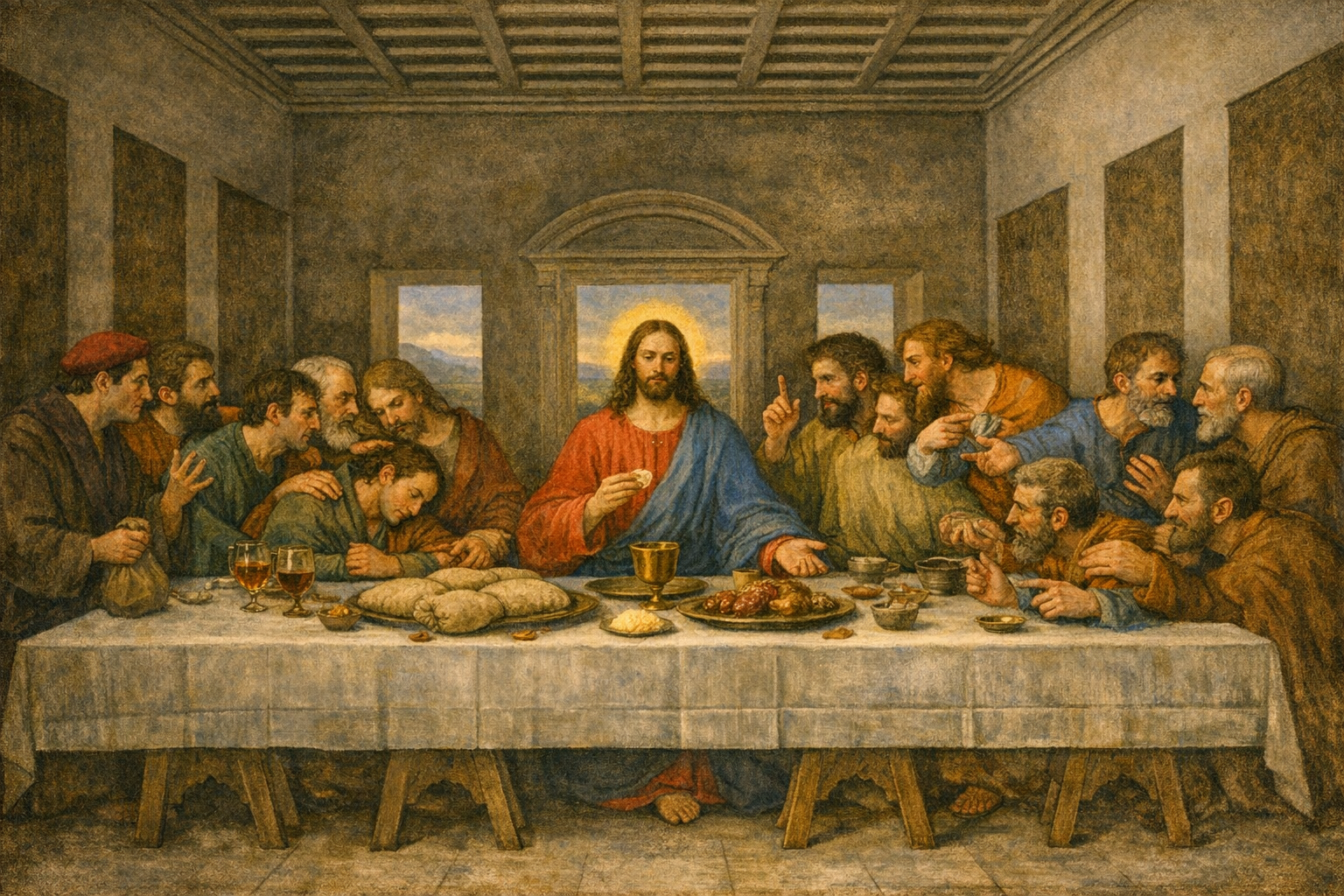
- Maundy Thursday – the Last Supper.
- Good Friday – the crucifixion.
- Holy Saturday – the day of waiting and reflection.
- Easter Sunday – the resurrection.
Timing in the Calendar
- Easter is a moveable feast, meaning its date changes each year.
- It’s celebrated on the first Sunday after the first full moon following the spring equinox (21 March).
- This means it can fall anywhere between 22 March and 25 April.
- The calculation is based on the ecclesiastical approximation of lunar cycles, not the astronomical ones — a tradition dating back to the Council of Nicaea (AD 325).
The Easter Season
- Easter isn’t just one day — it begins the Eastertide, a 50‑day period ending with Pentecost, which commemorates the coming of the Holy Spirit.
- The season is marked by joy, renewal, and the proclamation of “Christ is risen!”
Cultural and Liturgical Traditions
- Churches are decorated with white and gold, symbols of purity and triumph.
- Many Christians attend sunrise services, echoing the discovery of the empty tomb.
- In the UK, Easter also carries cultural traditions — hot cross buns, Easter eggs, and bank holidays — blending faith and festivity.
Lent as Preparation
During Lent, Christians focus on prayer, fasting, and almsgiving — disciplines meant to prepare the heart for the joy of the Resurrection.
- Lent is the 40‑day period (excluding Sundays) leading up to Easter.
- It begins on Ash Wednesday and ends on Holy Saturday, the day before Easter Sunday.
- The number 40 recalls Jesus’ 40 days of fasting in the wilderness, symbolising testing, repentance, and spiritual renewal.